
Structural Drying
Why Immediate Structural Drying Matters in North Sydney
North Sydney’s mix of older homes, modern apartments, and commercial buildings means water damage can spread quickly if not addressed. Structural drying isn’t just about removing visible water - it’s about eliminating moisture trapped in walls, subfloors, and ceiling cavities to prevent long-term issues like mould, wood rot, and structural weakening.
In high-density areas like Kirribilli, Neutral Bay, or McMahons Point, water can seep into shared walls or travel between floors, affecting multiple units. Our team uses thermal imaging and moisture meters to locate every trace of dampness, ensuring a complete dry-out.
For businesses in North Sydney, downtime means lost revenue. We work efficiently to dry offices, retail spaces, and storage areas, minimising disruption while restoring a safe environment for staff and customers.
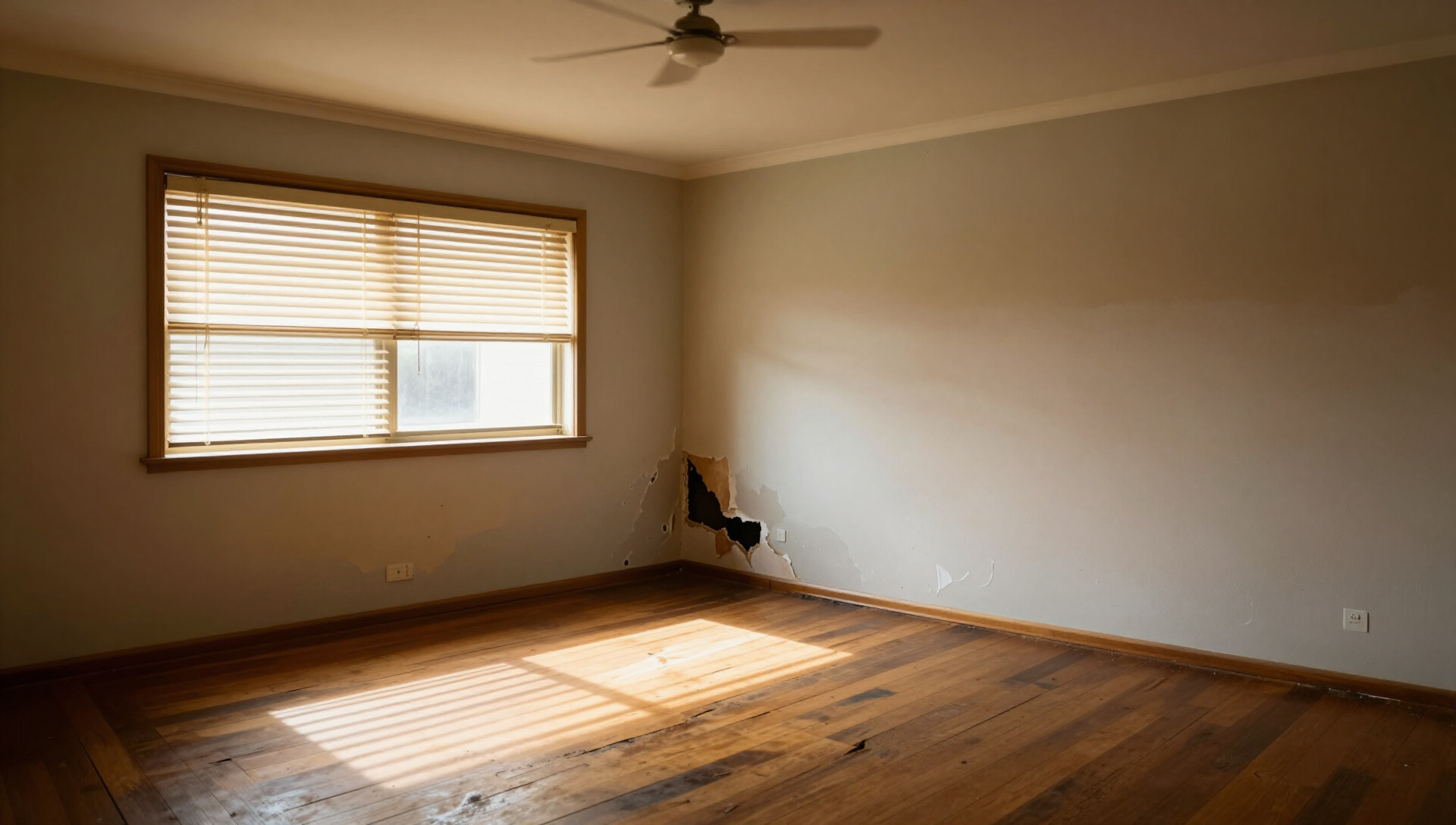
From burst pipes in heritage properties to stormwater intrusion in basements, we’ve handled it all. Our approach combines rapid response with meticulous drying to protect your investment and health.
Signs You Need Structural Drying
Water damage isn’t always obvious. Here’s what to look for in North Sydney properties:
- Musty odours, especially in enclosed spaces like wardrobes or underfloor areas
- Peeling paint, bubbling wallpaper, or water stains on walls and ceilings
- Warped or buckling floorboards, particularly in timber-floored homes
- Visible mould growth, often in corners, behind furniture, or in bathrooms
- Condensation on windows or damp patches on walls after rain
- A sudden increase in humidity levels indoors
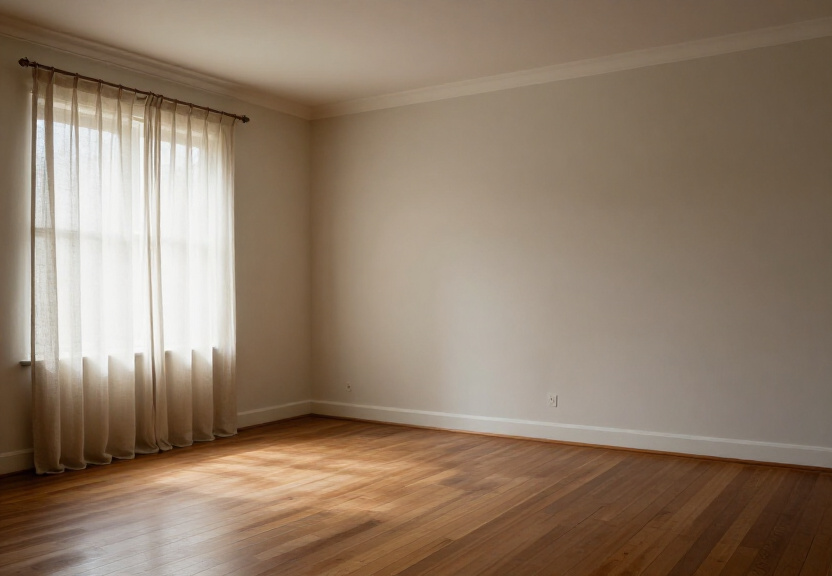
Before and After Structural Drying
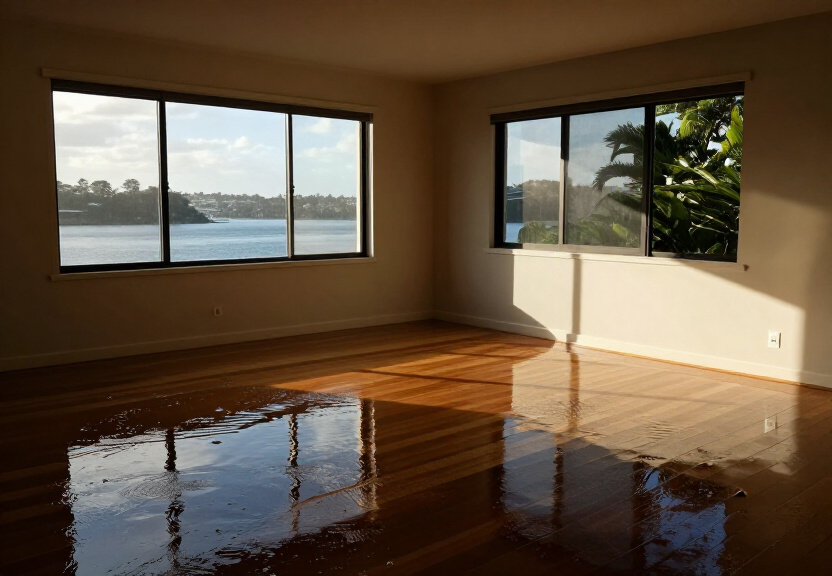
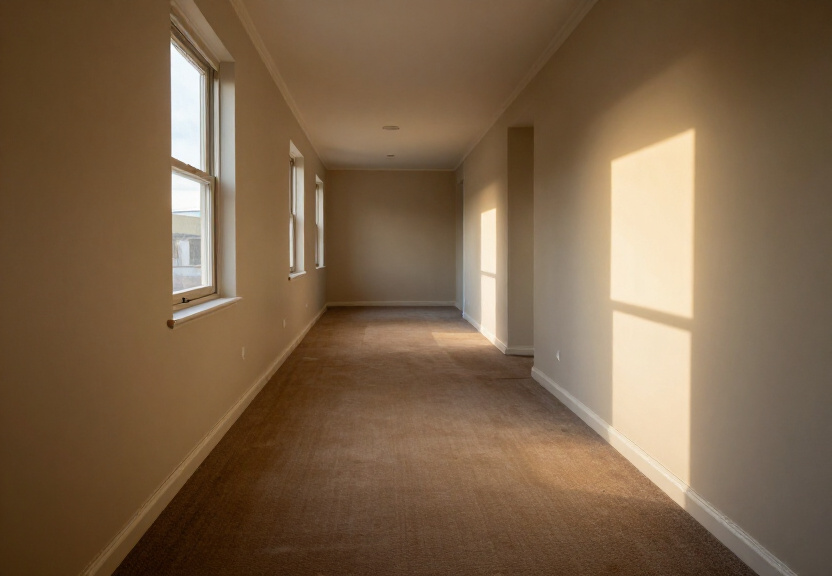
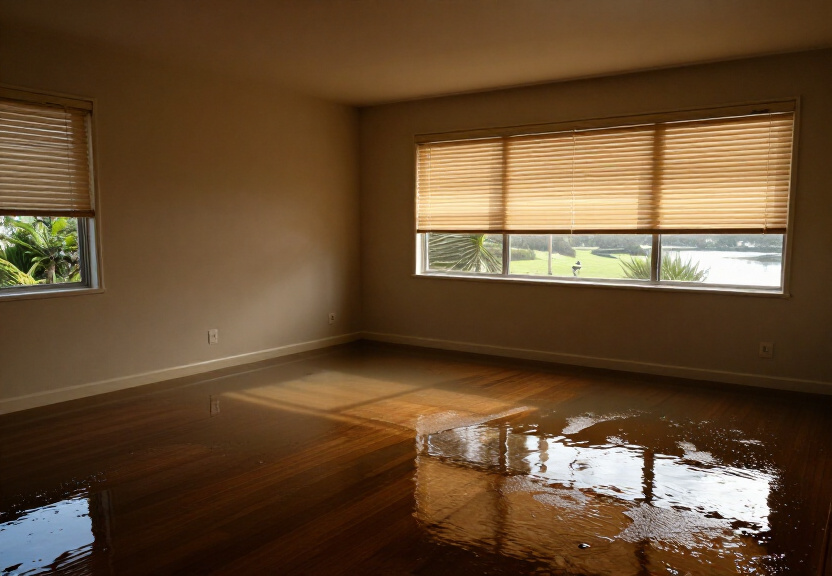
See the difference professional drying makes in North Sydney properties.
Why Choose Flood Restoration Service Sydney for Structural Drying
- Local expertise in North Sydney’s unique property types, from heritage homes to modern units
- 24/7 availability for emergencies, with teams ready to deploy at short notice
- Advanced drying equipment to handle large-scale or hard-to-reach moisture
- Transparent process with regular updates on drying progress
- Focus on preventing secondary damage like mould or structural deterioration
- Experience working with strata managers and property owners in high-density areas
Who We Help in North Sydney
Homeowners and Renters
North Sydney’s residential properties face specific risks:
- Older terraces and cottages with timber floors and plaster walls that absorb moisture quickly
- Apartments and units where water damage can spread between floors or into shared walls
- Homes with basements or subfloors prone to flooding during heavy rain
Businesses and Strata Properties
Commercial spaces and strata buildings require a different approach:
- Offices, retail stores, and restaurants where water damage can disrupt operations
- Strata complexes where coordinated drying is needed across multiple units
- Storage areas, server rooms, or archives where moisture can damage sensitive equipment or documents
Benefits of Professional Structural Drying
Prevents Mould Growth
By removing moisture quickly, we stop mould spores from taking hold, protecting your health and property. In North Sydney’s humid climate, mould can develop within 24-48 hours of water exposure.
Saves on Repair Costs
The longer moisture sits, the more damage it causes. Fast drying reduces the need for costly repairs to walls, floors, and furniture.
Restores Indoor Air Quality
Excess moisture leads to musty odours and poor air quality. Our drying process eliminates these issues, leaving your space fresh and safe.
Minimises Downtime
For businesses, every hour of closure counts. We work efficiently to get your property back to normal as soon as possible.
Our Commitment to You
We stand by the quality of our work and the effectiveness of our drying process. If moisture returns due to incomplete drying, we’ll revisit the site to address it.
Serving North Sydney and Surrounding Areas
We provide structural drying services across North Sydney, including Kirribilli, Neutral Bay, McMahons Point, Crows Nest, Waverton, and Wollstonecraft. Our team is familiar with the local property styles, climate, and common water damage issues, ensuring a tailored response for every job.
Frequently Asked Questions About Structural Drying
The drying time depends on the extent of the water damage, the materials affected, and the humidity levels. In most cases, residential properties take 2-5 days, while larger commercial spaces may require a week or more. We monitor moisture levels daily to track progress.
In many cases, yes. To ensure thorough drying, we may need to move furniture away from walls or lift carpets. We’ll discuss this with you during our initial assessment and handle the process carefully to avoid further damage.
Yes, but sewage-contaminated water requires additional sanitation steps. We’ll first remove the water, then clean and disinfect the area before beginning the drying process to ensure a safe environment.
Not usually. Our drying equipment is safe to operate around people and pets, though the noise from air movers and dehumidifiers can be disruptive. We’ll work with you to minimise inconvenience, especially in residential settings.
We use moisture meters to measure the moisture content in walls, floors, and other materials. Drying is complete when these levels return to normal, pre-damage conditions. We’ll provide a final report confirming the property is dry.
Coverage depends on your policy and the cause of the water damage. We recommend contacting your provider directly to confirm. We can provide detailed reports and documentation to support your service coordination.
What North Sydney Residents Say
"After a pipe burst in our Neutral Bay apartment, we were worried about mould spreading to the unit below. Flood Restoration Service Sydney arrived within hours, dried the area thoroughly, and even coordinated with our strata manager. The process was seamless, and we had no issues with our neighbours."
"Our office in Crows Nest flooded after a storm, and we couldn’t afford to close for long. The team worked overnight to dry the space, and we were back in business the next morning. Their communication was excellent, and they kept us updated every step of the way."
"We had water seeping into our Kirribilli home’s subfloor after heavy rain. The team identified the issue quickly, set up industrial fans, and dried the area completely. They also gave us tips to prevent future problems. Highly recommend their service."
Related Services
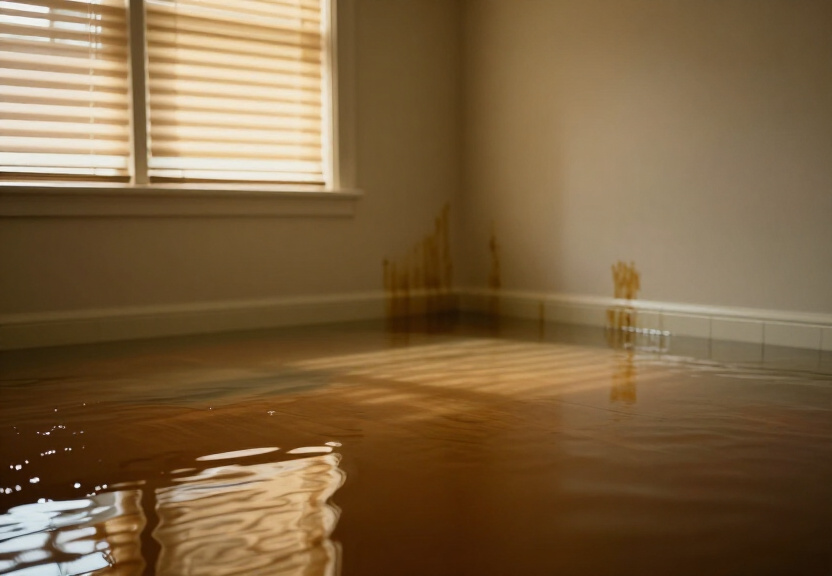
Water Damage Restoration
Water damage restoration brings the property back to a safe, habitable state by assessing affected materials and managing the full drying and repair plan. From water-impacted finishes to documentation needs, the service supports a complete recovery approach.
Learn More →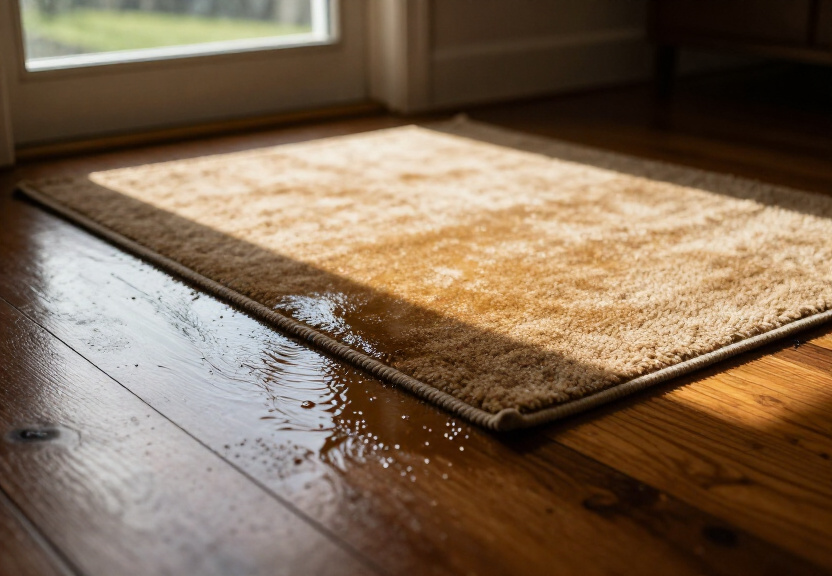
Wet Carpet Drying
Wet carpet drying repositions affected flooring, extracts surface water, and dries fibres and backing without unnecessary reinstallation. Controlled airflow and dehumidification help minimise shrinkage, staining, and persistent dampness that can lead to odours.
Learn More →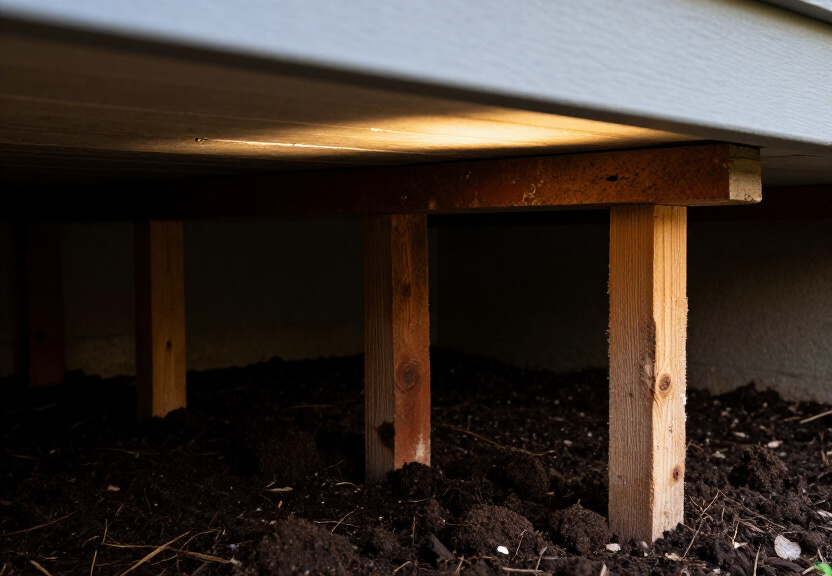
Subfloor Moisture Removal
Subfloor moisture removal tackles dampness beneath flooring where water can pool or wick into timber and other materials. Controlled extraction and drying help protect structural elements and minimise ongoing odour or mould problems.
Learn More →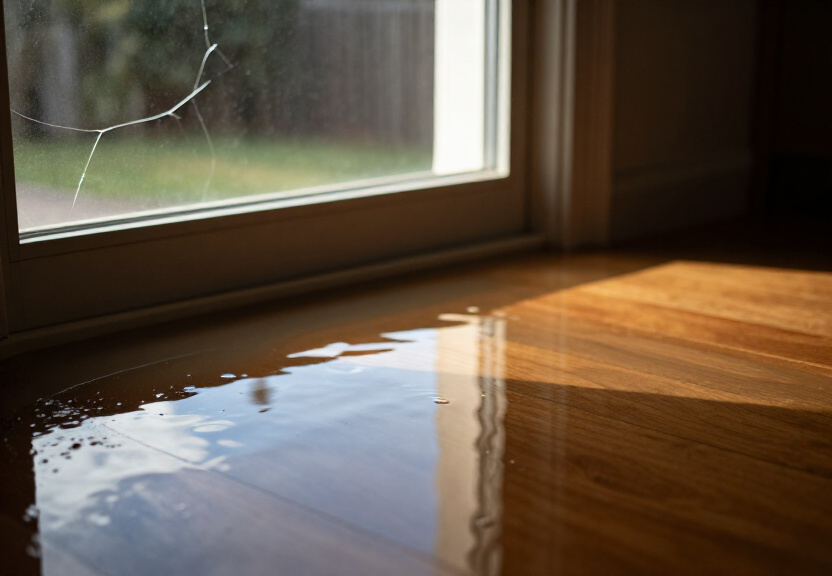
Water Extraction And Removal
Water extraction and removal quickly removes floodwater using appropriate pumps and extraction equipment. Removing bulk water early reduces damage, limits contamination spread, and accelerates the subsequent drying stage for faster recovery.
Learn More →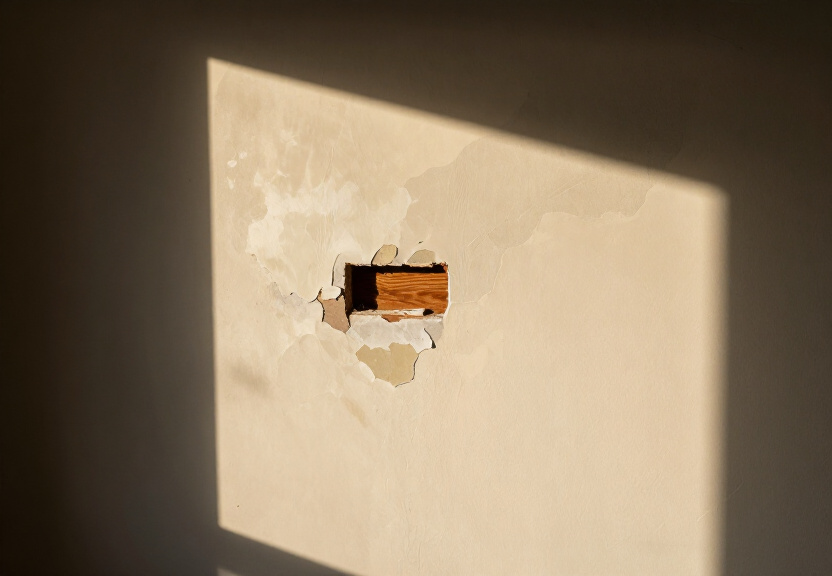
Structural Drying
Structural drying restores building materials to safe moisture levels using calibrated air movers, dehumidification, and continuous monitoring. This reduces risks like swelling, paint failure, and hidden microbial growth inside walls, floors, and roof spaces.
Learn More →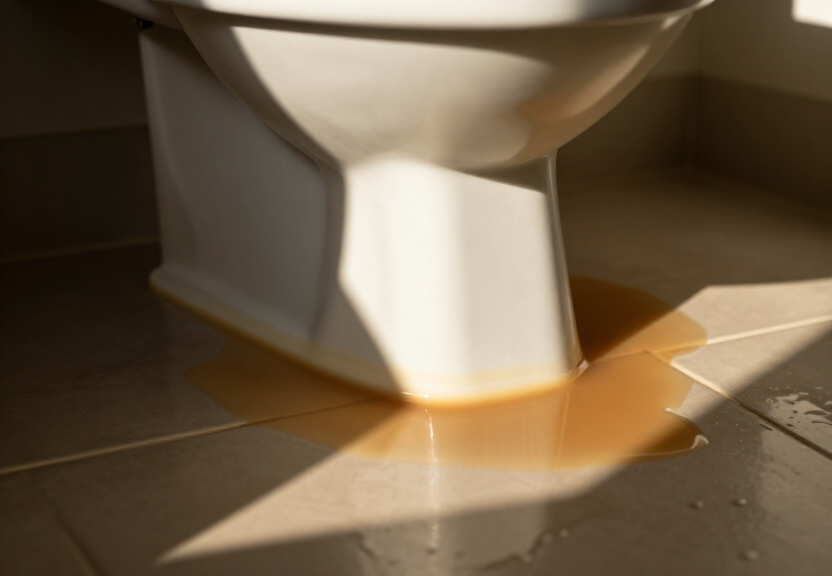
Sewage Cleanup
For contaminated water incidents, sewage cleanup includes removal of soiled residues and thorough disinfection of impacted surfaces. The workflow focuses on health and hygiene, reducing contamination risk while preparing areas for controlled drying and restoration.
Learn More →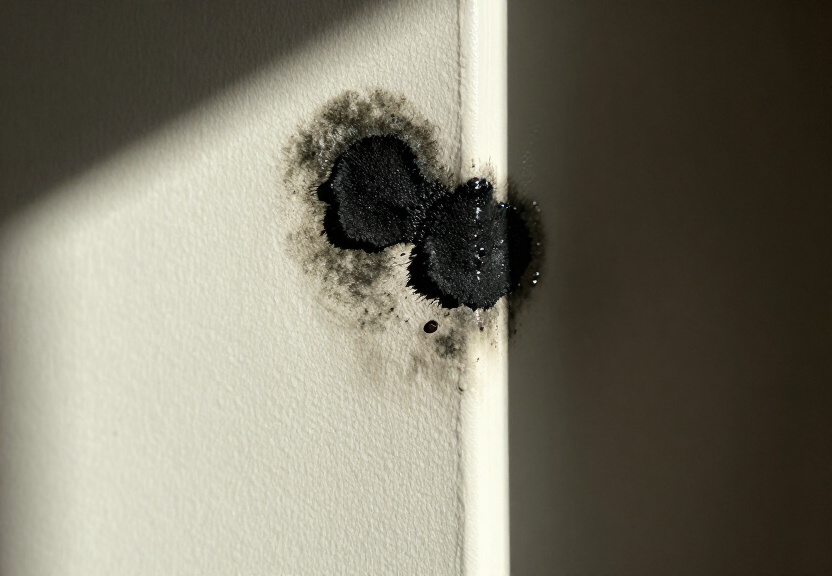
Mould Removal
When mould colonies have formed, mould removal isolates the affected areas and removes contaminated materials safely. After extraction, the space is sanitised so surfaces are ready for drying and rebuild, restoring a cleaner indoor environment.
Learn More →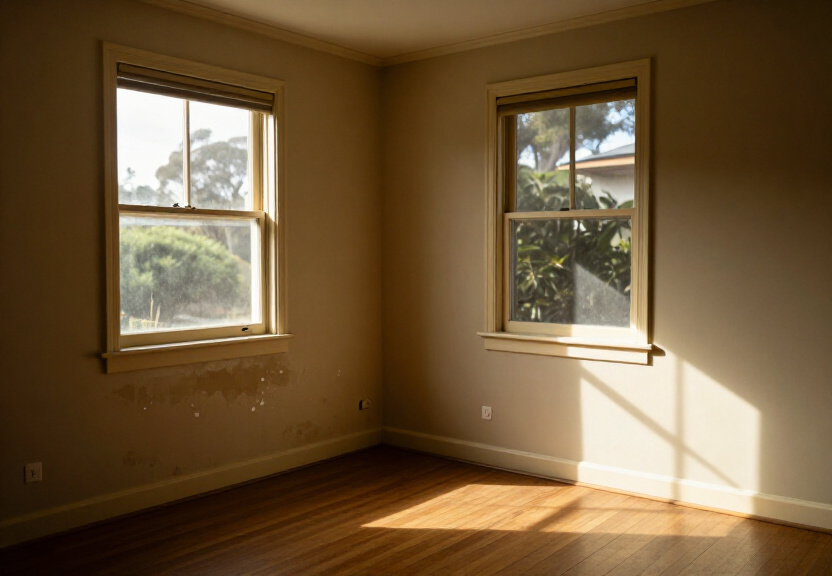
Odour Removal
Persistent flood odours from contaminated finishes and trapped moisture are addressed with targeted odour removal. We use odour control methods designed to neutralise lingering compounds, helping eliminate musty smells rather than simply masking them.
Learn More →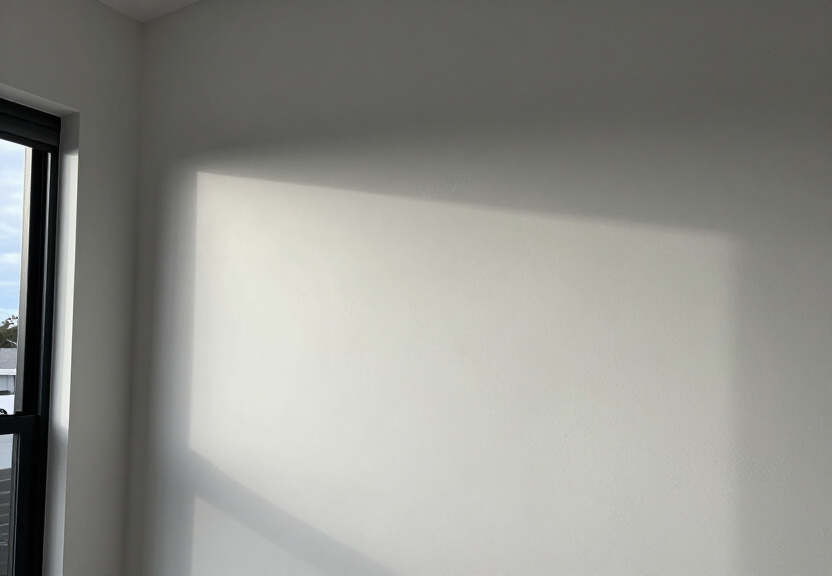
Mould Prevention Treatment
After floodwater recedes, apply mould prevention treatment to affected ceilings, walls, and concealed voids where spores can take hold. The process targets damp substrates and helps reduce the chance of recurring growth while restoration works proceed.
Learn More →